hazmat ops study guide
Summary
Dive into HazMat Ops with our comprehensive guide—tips, drills, and real-world scenarios to boost your confidence and keep you safe on every mission.

Hazmat Ops Certification Overview
Hazmat Ops certification equips professionals with knowledge of hazardous material handling, regulatory compliance, and emergency response. The guide offers real‑world scenarios, practice questions, and flashcards to build confidence and meet industry standards. It includes updated regulations cases.!
Exam Structure and Eligibility Criteria
The Hazmat Ops exam is a 90‑minute, multiple‑choice test comprising 60 questions that assess knowledge of hazardous material classifications, regulatory frameworks, and emergency response tactics. Candidates must achieve a minimum score of 70 % to pass. The test is administered online through a secure proctoring platform, with options for in‑person testing at designated centers. Eligibility requirements include a minimum of two years of experience in hazardous materials handling or a related field, or completion of an accredited Hazmat training program. Applicants must also submit proof of current OSHA Hazard Communication certification and a valid driver’s license if the role involves transportation of hazardous goods. The exam covers four core modules: (1) Hazardous Materials Fundamentals, (2) Regulatory Compliance, (3) Incident Response, and (4) Decontamination Procedures. Each module contains 15 questions, allowing candidates to focus on specific knowledge areas. The test is designed to evaluate both theoretical understanding and practical decision‑making skills, with scenario‑based questions that mimic real‑world incidents. To prepare, study guides recommend reviewing the latest Emergency Response Guidebook, DOT Hazardous Materials Regulations, and OSHA HCS documents. Practice exams and flashcard sets are available to simulate test conditions and reinforce key concepts. Successful candidates receive a digital certificate and are eligible for advanced certifications such as Hazmat Operations Specialist or Incident Command System (ICS) training.!!!!

Core Hazardous Materials Knowledge
Understanding classification, labeling, and safe handling is vital. Study the DOT Hazardous Materials Regulations, ERG guidance, and OSHA HCS. Master the 9 hazard classes, proper containment, and emergency response protocols to excel in the Hazmat Ops exam.
Classification and Signaling of Hazmat Materials
Hazardous materials are grouped into nine distinct classes, each defined by specific physical or chemical properties that dictate handling, transport, and emergency response protocols. Class 1 covers explosives, subdivided into sub‑classes 1.1 through 1.4 based on detonation potential, blast effect, and fragmentation. Class 2 includes gases, with sub‑classes 2.1 (flammable), 2.2 (non‑flammable), and 2.3 (toxic). Class 3 is for flammable liquids, identified by flash point and vapor density. Class 4 addresses flammable solids, oxidizers, and pyrophoric substances, while Class 5 covers oxidizers and organic peroxides, each requiring specific segregation and storage rules. Class 6 contains toxic and infectious agents, with sub‑classes 6.1 (toxic) and 6.2 (infectious). Class 7 deals with radioactive materials, categorized by radiation type and half‑life. Class 8 includes corrosives, and Class 9 covers miscellaneous hazardous substances such as reactive chemicals and hazardous waste. Each class is assigned a unique numeric code and a corresponding placard color and symbol for quick visual identification on vehicles and containers. The Emergency Response Guidebook (ERG) provides concise, step‑by‑step instructions for responders, including “hazard class” designation, recommended protective equipment, andfirst‑aid measures. Signaling involves the use of standardized placards, warning labels, and hazard communication signs that convey the specific risk level, handling precautions, and emergency contact information. Ensures compliant handling now.

Emergency Response Fundamentals
Rapid assessment, containment, and decontamination are core. Use ERG guidance, establish incident command, secure perimeter, and deploy PPE. Coordinate with local agencies, monitor air quality, and document all actions for legal compliance. Report promptlyand log.!
Rapid assessment, containment, and decontamination are core; Use ERG guidance, establish incident command, secure perimeter, and deploy PPE. Coordinate with local agencies, monitor air quality, and document all actions for legal compliance. Report promptly and log. Continuous learning, too.

Decontamination Procedures
On‑site decontamination prioritizes rapid removal of contaminants using water, detergents, and neutralizers, followed by thorough rinsing. Off‑site facilities offer controlled environments for full body wash, gear cleaning, and waste segregation per regulations ensuring safety.
On-Site vs. Off-Site Decontamination Techniques
On‑site decontamination is the first line of defense during a hazardous materials incident. It involves immediate removal of contaminants from personnel, equipment, and the environment using portable showers, neutralizing agents, and specialized wipes. The goal is to reduce exposure risk before transport to a controlled facility. Key steps include:
- Initial assessment of contamination level.
- Rapid decontamination using water, detergents, or chemical neutralizers.
- Segregation of contaminated gear for disposal.
- Documentation of procedures and personnel involved.
Off‑site decontamination facilities are designed to handle larger volumes of contaminated material and provide a more thorough cleanup. These sites feature dedicated showers, filtration systems, and waste‑handling protocols that comply with DOT and OSHA standards. Off‑site processes typically include:
- Comprehensive body wash with specialized solutions.
- Detailed equipment decontamination and inspection.
- Waste segregation and treatment per hazardous waste regulations.
- Final verification of decontamination effectiveness.
Choosing between on‑site and off‑site depends on the severity of exposure, available resources, and regulatory requirements. Effective coordination between responders, medical teams, and logistics ensures that decontamination is performed safely, efficiently, and in compliance with all applicable standards. Regular drills reinforce protocol daily

PPE and Personal Protection Strategies
Proper PPE selection hinges on hazard type, exposure duration, and mobility needs. Respirators, gloves, and protective suits must meet DOT and OSHA standards. Layered protection, regular inspection, and training ensure compliance and reduce injury risk.!!!??
Selection Criteria for Respirators and Protective Clothing
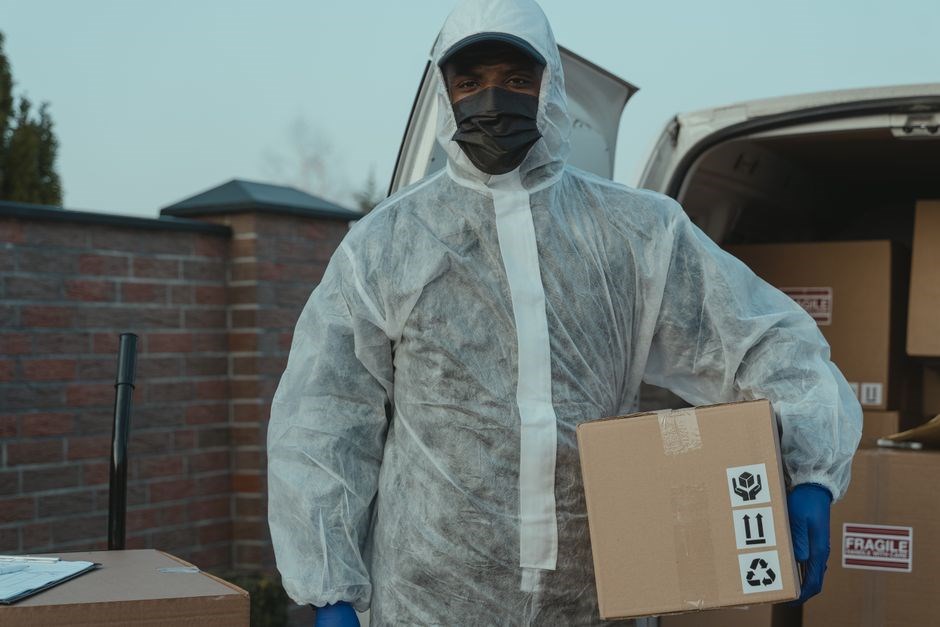
Choosing the right respirator and protective clothing is critical for safeguarding responders during hazardous material incidents. The selection process begins with a thorough hazard assessment that identifies the chemical properties, concentration levels, and potential routes of exposure. Based on this assessment, responders must determine whether a half‑facepiece, full‑facepiece, or powered air‑purifying respirator (PAPR) is appropriate. Factors such as the need for communication, field of vision, and mobility influence this decision. For chemical gases and vapors, an organic vapor cartridge or a HEPA filter may be required, whereas particulate‑only hazards can be addressed with a simple PAPR or a disposable respirator.
Protective clothing must provide a barrier against splashes, spills, and contamination. The material selection—such as Tyvek, Nomex, or aluminized fabrics—depends on the type of hazard. For liquid spills, a waterproof, chemical‑resistant suit with a full hood and foot covers is essential. When dealing with radioactive or biohazardous materials, a class B or class C suit with integrated gloves and boots is recommended. The clothing should also meet the appropriate ASTM or OSHA standards, ensuring that seams are sealed and that the garment offers full coverage of exposed skin. Proper fit testing, seal integrity, and comfort are equally important to maintain compliance and effectiveness during prolonged operations.

Legal and Regulatory Framework
Hazmat Ops certification aligns with OSHA Hazard Communication Standard, DOT Hazardous Materials Regulations, and EPA guidelines. Compliance ensures proper labeling, training, and emergency response protocols. Understanding these laws is essential for legal accountability and workplace safety and safety.
OSHA Hazard Communication Standard (HCS) and DOT Regulations
OSHA’s Hazard Communication Standard (HCS) mandates that employers provide clear information about hazardous chemicals through labels, safety data sheets, and employee training. The standard requires a written hazard communication program, labeling of containers, and accessible SDSs. Hazardous materials must be classified, and employees must be trained to recognize and respond to risks. The DOT regulations govern the transportation of hazardous materials across state and federal borders. DOT’s Hazardous Materials Regulations (HMR) specify packaging, labeling, placarding, and documentation requirements for safe shipping. The regulations also dictate training for drivers and handlers, emergency response procedures, and record‑keeping. Together, HCS and HMR establish a comprehensive legal framework that protects workers, the public, and the environment by ensuring consistent hazard identification, communication, and response protocols.
Compliance with OSHA and DOT also requires maintaining accurate shipping manifests, using proper placards, and ensuring that all personnel are trained in emergency response protocols. Regular audits, safety drills, and continuous education help prevent incidents and maintain a culture of safety. By mastering these regulations, hazmat professionals can confidently handle hazardous materials, protect public health, and uphold legal standards.
Adhering to these standards not only safeguards employees but also enhances cprorate reputation and nsures compliance with federal and state environmental laws.

Study Materials and Practice Resources
Quizlet flashcards, ERG guides, and sample exam banks offer interactive practice. Study guides cover regulations, labeling, and response tactics. Use flashcards for quick recall, ERG for scenario drills, and mock exams to gauge readiness. Review key terms .
Quizlet Flashcards, ERG Guides, and Sample Exam Banks
Quizlet flashcards provide bite‑size, interactive learning modules that cover key Hazmat Ops terms such as hazard classification, labeling, and emergency response protocols. Each card pairs a concise definition with a practice question, allowing learners to test recall instantly. The platform’s spaced‑repetition algorithm ensures that concepts like “shielding” and “decontamination” are revisited at optimal intervals, reinforcing long‑term retention.
Emergency Response Guidebook (ERG) guides are essential for on‑scene decision making. The digital ERG offers searchable incident scenarios, recommended actions, and safety thresholds. Users can simulate a chemical spill, radiological release, or biological threat, then review the step‑by‑step response plan. The guide’s interactive flowcharts help responders quickly identify the correct ERG page and apply the appropriate mitigation measures.
Sample exam banks mirror the structure of the official Hazmat Ops certification test. They include multiple‑choice questions, scenario‑based problems, and short‑answer prompts that reflect current regulations and best practices. By working through these mock exams, candidates can benchmark their knowledge, identify weak areas, and adjust study focus; Many banks provide detailed answer explanations, citing OSHA, DOT, and NFPA standards, which deepen understanding and contextualize each response.
Together, these resources create a comprehensive, self‑paced study ecosystem. Flashcards sharpen memory, the ERG guides build practical application skills, and sample banks test readiness against real‑world exam conditions. Leveraging all three ensures a well‑rounded preparation strategy that aligns with industry expectations and certification requirements.
Use these resources daily for best results.

Exam Success Tips and Study Plan
Start with a 2‑week calendar: 5 days of focused review, 5 days of practice exams. Prioritize ERG scenarios, then flashcard drills. Schedule daily 30‑minute quizzes, review mistakes, and adjust focus. Build confidence with timed mock tests and peer discussion. Review key regs, timed drills, weekly mock exams.
Time Management, Review Strategies, and Confidence Building
Effective time management begins with a disciplined schedule. Allocate 3‑4 focused hours each day, divided into 50‑minute study blocks followed by 10‑minute breaks. Use a digital calendar to block study sessions, review periods, and full‑length mock exams. Prioritize high‑yield topics—ERG scenarios, regulatory updates, and decontamination protocols—before exploring deeper sub‑topics.
Active review strategies are essential. After each block, summarize key points in your own words, create concept maps, and test yourself with flashcards. Weekly, cycle through the entire syllabus, rotating topics to reinforce retention. Employ spaced‑repetition software to schedule flashcard reviews at optimal intervals, ensuring long‑term recall.
Confidence building relies on realistic practice. Schedule full‑length timed exams every two weeks to simulate test conditions. Analyze results, pinpoint weak areas, and adjust study focus accordingly. Pair up with a study partner to explain concepts aloud; teaching reinforces mastery and exposes gaps. Adopt a growth mindset: view mistakes as learning opportunities rather than failures.
Self‑care is critical. Ensure 7–8 hours of sleep, balanced nutrition, and brief physical activity each day. A rested mind processes information more efficiently and reduces test anxiety. By combining disciplined scheduling, active review, and confidence‑boosting practices, you’ll approach the Hazmat Ops exam with clarity, composure, and assured competence.