can you change a transmission from manual to automatic
Summary
Dreaming of an easy drive? Learn if converting your manual transmission to automatic is possible! We break down the process, costs & everything you need to know. **Transmission swap** made simple!
Can You Change a Transmission From Manual to Automatic? — A Comprehensive Guide (Updated 12/04/2025)
Converting from a manual to an automatic transmission is increasingly popular, though complex; vehicle compatibility, cost, and potential challenges must be carefully considered before undertaking this significant modification.
The automotive landscape is shifting, and with it, a renewed interest in transmission swaps is emerging. For decades, automatic transmissions steadily gained dominance, overshadowing their manual counterparts. However, recent trends indicate a slight resurgence in manual transmission sales, fueled by driving enthusiasts.
Despite this, many drivers still prefer the convenience of automatics, especially with the rise of advanced self-driving features. This creates a demand for converting manual vehicles to automatic. A car, once a status symbol, is now a necessity for many, and personalization is key.
As vehicles age, transmission repairs can become costly and complex. Swapping to an automatic can sometimes be a more economical alternative, particularly when considering the long-term maintenance implications. This guide explores the feasibility, costs, and challenges associated with this conversion.
Understanding the Core Differences: Manual vs. Automatic
Fundamentally, manual and automatic transmissions differ in how they manage engine power delivery to the wheels. Manual transmissions require the driver to manually select gears using a clutch pedal and shift lever, offering direct control and engagement. Automatic transmissions, conversely, handle gear changes automatically, utilizing a torque converter and planetary gearsets for seamless operation.
This difference impacts driving experience; manuals provide a more connected feel, while automatics prioritize convenience. Automatic transmissions are inherently more complex mechanically, involving intricate hydraulic systems and electronic controls. Consequently, repairs on automatics tend to be more expensive and challenging than those on manuals.
The choice between the two often boils down to personal preference and driving needs, with automatics gaining ground due to advancements in technology and self-driving capabilities.
Is the Conversion Even Possible? Vehicle Compatibility
Not all vehicles are suitable candidates for a manual-to-automatic transmission swap. Compatibility hinges on several factors, including the vehicle’s chassis, engine type, and available space. Older vehicles often present more challenges due to limited aftermarket support and potential modifications needed for proper fitment.
Vehicles originally designed for automatic transmissions typically have pre-existing mounting points and wiring harnesses, simplifying the conversion process. However, even with compatible vehicles, modifications to the floor pan, driveshaft, and pedal assembly may be necessary. Thorough research is crucial to determine if a swap is feasible for your specific make and model.
Consider consulting with experienced mechanics or online forums dedicated to vehicle modifications to assess compatibility and potential hurdles.
Cost Breakdown: Parts Required for the Swap
The financial aspect of a manual-to-automatic transmission conversion can vary significantly. Core components include the automatic transmission itself, which can range from $1,500 to $5,000 depending on condition and source. A torque converter and flexplate, essential for connecting the engine to the automatic transmission, typically cost between $300 and $800.
Additionally, a new shifter assembly and associated cables are needed, adding another $200 to $500 to the total. Don’t forget smaller, but crucial parts like a new transmission cooler, fluid lines, and potentially a modified driveshaft. Expect to spend at least $2,000 — $6,300 on parts alone, excluding labor.
The Automatic Transmission Itself
Sourcing the correct automatic transmission is paramount. Used transmissions offer cost savings, ranging from $800 to $3,000, but carry inherent risks regarding condition and longevity. A remanufactured unit, costing $2,000 to $4,500, provides a balance of affordability and reliability, often including a warranty.
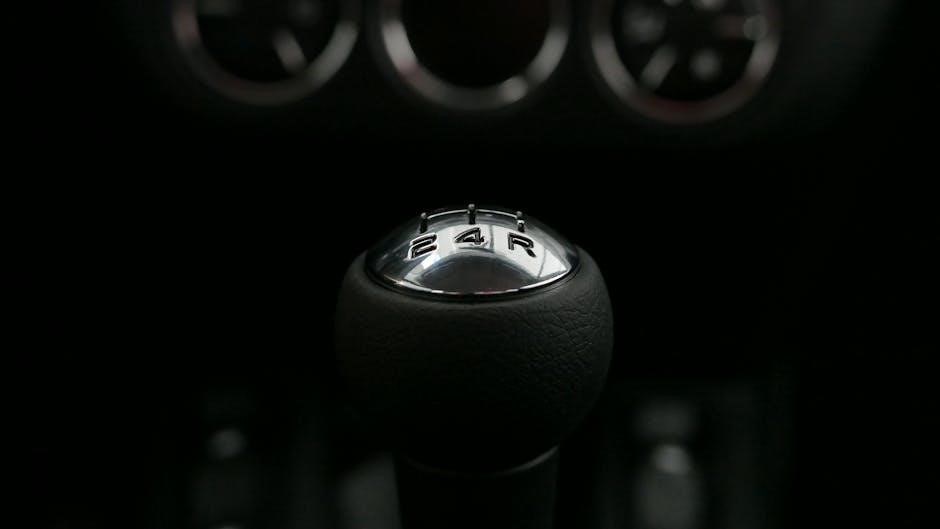
A brand-new automatic transmission, while the most expensive option at $3,500 to $7,000+, guarantees optimal performance and peace of mind. Compatibility is key; ensure the transmission is designed for your vehicle’s engine and drivetrain. Consider factors like gear ratios and electronic controls when selecting the appropriate unit for a seamless swap.
Torque Converter and Flexplate
The torque converter, essential for automatic transmissions, replaces the manual flywheel. It fluidly transfers engine power to the transmission, allowing for smooth starts and gear changes. A new torque converter, costing between $300 and $800, is highly recommended, even with a remanufactured transmission, to ensure optimal performance and prevent contamination from a used unit.
The flexplate, bolted to the crankshaft, provides mounting points for the torque converter. Expect to spend $150 to $400 for a quality flexplate. Ensuring correct alignment is crucial during installation to avoid vibrations and potential damage; These components are integral to the automatic transmission’s functionality and must be compatible with your engine.
Shifter Assembly and Cables
A complete automatic shifter assembly, including the console trim and shift indicator, is necessary, typically ranging from $200 to $600 depending on the vehicle and desired features. New shift cables, or a complete cable set, are also required to connect the shifter to the transmission, costing approximately $100 to $300.
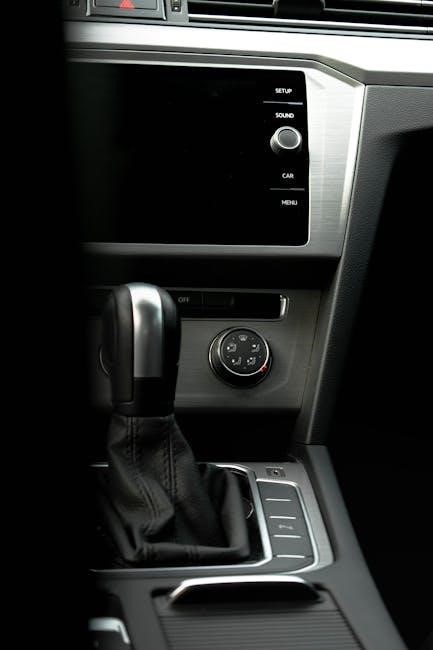
Proper adjustment of these cables is vital for accurate gear selection. Incorrectly adjusted cables can lead to harsh shifting or the inability to select certain gears. Consider the console; modifications might be needed to accommodate the automatic shifter, potentially requiring fabrication or sourcing a compatible console assembly.
Labor Costs: Professional Installation vs. DIY
Professional installation of a manual-to-automatic transmission swap typically ranges from $1,500 to $3,500, depending on the vehicle’s complexity and shop rates. This includes removing the manual transmission, installing the automatic, wiring, and necessary modifications. A DIY approach significantly reduces costs, potentially saving $1,000 or more, but demands substantial mechanical expertise and time.
DIYers must account for potential unforeseen issues and the time commitment, which can easily exceed 40-60 hours. Incorrect installation can lead to costly repairs or safety hazards. Weigh your skills, available tools, and time constraints carefully before deciding between professional help and a self-managed conversion.
Mechanical Modifications: What Needs to Change?
A manual-to-automatic swap necessitates several mechanical alterations. The driveshaft often requires adjustment or complete replacement to accommodate the automatic transmission’s different length. The pedal assembly must be modified, removing the clutch pedal and potentially adding a brake pedal if it differs.
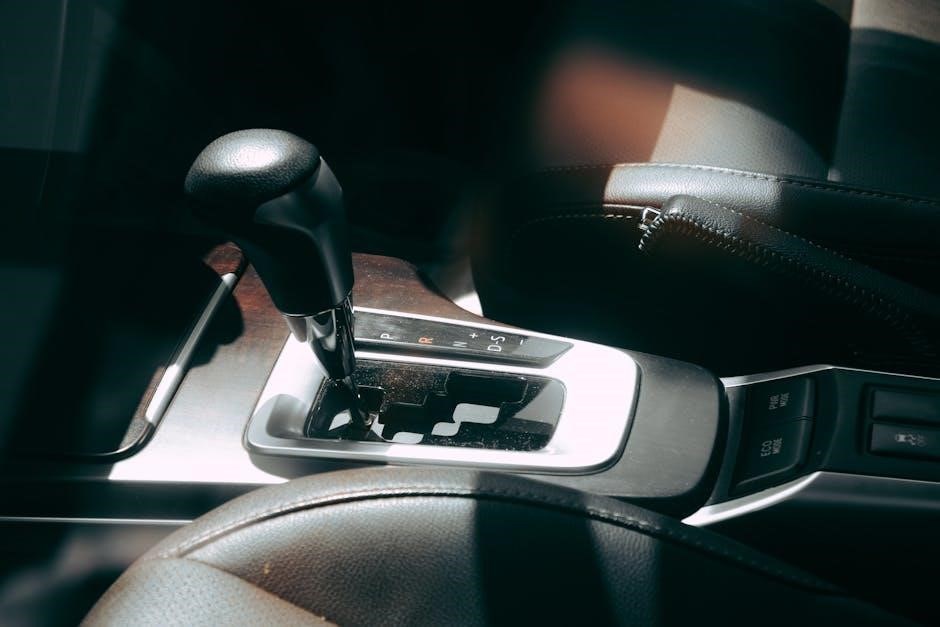
Furthermore, the floor pan may need modifications to clear the new shifter assembly. The wiring harness requires significant integration work to connect the automatic transmission’s sensors and control systems. A flexplate replaces the flywheel, and a torque converter is essential for the automatic’s operation. These changes demand precision and careful attention to detail.
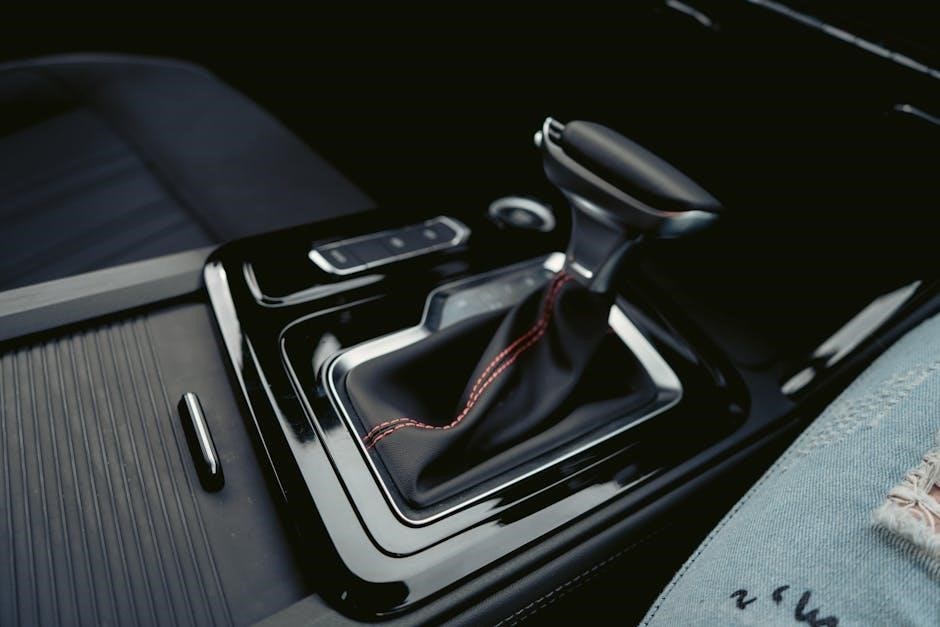
Driveshaft Adjustments or Replacement
When swapping a manual transmission for an automatic, the driveshaft is almost always affected. Automatic transmissions typically differ in length compared to their manual counterparts, creating a mismatch with the existing driveshaft. This discrepancy can lead to vibrations, premature wear, or even damage to the transmission and rear differential.
Therefore, driveshaft adjustments are often necessary, involving shortening or lengthening the existing shaft. However, significant length differences usually necessitate a complete driveshaft replacement with one specifically designed for the automatic transmission. Ensuring proper driveshaft length is crucial for smooth operation and longevity.
Pedal Assembly Changes
A key alteration during a manual-to-automatic transmission swap involves the pedal assembly. Manual vehicles feature a clutch pedal, which is entirely redundant with an automatic transmission. Removing the clutch pedal is a primary step, but simply removing it leaves an unsightly hole and potential for interference.
Often, a blanking plate or a complete replacement pedal assembly is required to restore a clean aesthetic and ensure foot placement is safe and comfortable. Some conversions may necessitate relocating the brake pedal slightly to optimize ergonomics. Careful consideration must be given to ensure proper pedal positioning for safe and efficient driving.
Wiring Harness Integration
Integrating the automatic transmission’s wiring harness into the vehicle’s existing system is a complex undertaking. Automatic transmissions require electrical connections for the torque converter lockup, transmission control module (TCM), and various sensors – all absent in a manual setup. This often involves splicing into the existing harness or installing a new, dedicated wiring loom.
Properly identifying and connecting each wire is crucial to avoid electrical shorts or malfunctions. The TCM needs to communicate with the engine control unit (ECU), demanding seamless integration. Incorrect wiring can lead to transmission issues, warning lights, or even prevent the vehicle from starting. Professional assistance is highly recommended for this step.
Electronic Control Unit (ECU) Considerations
The Engine Control Unit (ECU) plays a vital role in managing the automatic transmission. A manual vehicle’s ECU isn’t programmed to communicate with a transmission control module (TCM), necessitating either ECU reprogramming or the addition of a standalone TCM. Reprogramming can be risky, potentially voiding warranties or causing other system malfunctions if not done correctly.
A standalone TCM offers a simpler solution, but requires careful wiring integration and may not fully optimize performance. Compatibility between the ECU, TCM, and the new transmission is paramount. Ensuring proper communication is essential for smooth shifting, accurate speed readings, and overall transmission functionality. Professional tuning is often required post-installation.
Potential Challenges and Complications
Swapping a manual transmission for an automatic isn’t always straightforward. Floor pan modifications may be needed to accommodate the larger automatic transmission and its shifter assembly. Tunnel modifications are often required to provide sufficient clearance for the new shifter mechanism, potentially involving cutting and welding.
Computer reprogramming presents significant hurdles, as the ECU needs to recognize and control the automatic transmission. Compatibility issues can arise, leading to erratic shifting or complete transmission failure. Beyond these, unforeseen problems with wiring harnesses, driveshaft fitment, and even brake system integration can emerge, extending the project timeline and increasing costs.
Floor Pan Modifications
Often, a manual transmission occupies less space than its automatic counterpart. Consequently, floor pan modifications are frequently necessary during a conversion. This typically involves reshaping or even removing sections of the existing floor pan to create adequate space for the larger automatic transmission and its associated components.
Welding new metal into place is common, demanding skilled fabrication work to maintain structural integrity and safety. Careful consideration must be given to preserving existing wiring harnesses and fuel lines routed under the floor. Ignoring these details can lead to safety hazards and costly rework, making professional installation highly recommended.
Tunnel Modifications for Shifter Clearance
The transmission tunnel, the central structure running between the front and rear seats, often requires alterations when swapping a manual for an automatic. Manual transmissions utilize a smaller shifter mechanism, while automatics generally need more space for the selector and associated linkages. Tunnel modifications involve carefully reshaping or removing portions of the tunnel to accommodate the new shifter assembly.
This can range from minor adjustments to significant cutting and welding. Ensuring proper reinforcement after any modifications is crucial for maintaining vehicle safety and structural rigidity. Incorrectly modified tunnels can compromise crash protection and create unwanted noise or vibrations, highlighting the need for professional expertise.
Computer Reprogramming and Compatibility Issues
Modern vehicles rely heavily on the Electronic Control Unit (ECU) to manage various systems, including the transmission. A manual-to-automatic swap necessitates computer reprogramming to recognize and control the new automatic transmission effectively. Compatibility issues frequently arise, as the ECU may not natively support the swapped transmission without custom tuning or a standalone controller.
Incorrect programming can lead to erratic shifting, inaccurate speed readings, or even prevent the vehicle from starting; Addressing these issues often requires specialized diagnostic tools and expertise. Furthermore, integrating the automatic transmission’s sensors and controls with the existing vehicle network can be complex, demanding careful attention to wiring and software configurations.
Repair and Maintenance Costs: Manual vs. Automatic (Long-Term)
Considering long-term costs, automatic transmissions generally incur higher repair expenses due to their intricate design. Manual transmissions, being mechanically simpler, often present more straightforward and affordable fixes. However, clutch replacements are a recurring maintenance item for manuals.
Automatics, while offering convenience, are susceptible to issues like valve body failures, torque converter problems, and complex electronic malfunctions – all potentially costly. The complexity of automatic transmissions also means specialized tools and expertise are usually required for repairs, increasing labor costs. Ultimately, the total cost of ownership depends on driving habits and vehicle maintenance, but automatics tend to be pricier to maintain over time.
The Rise of Automatic Transmissions and Changing Preferences

For decades, automatic transmissions have steadily gained dominance, eclipsing manuals in popularity. This shift isn’t solely about preference; it’s driven by convenience and evolving driving needs. While enthusiasts once championed manual control, the majority of drivers now prioritize ease of use, especially in congested urban environments.
Despite a recent, slight resurgence in manual sales – fueled by enthusiast models like the Toyota GR Supra – automatics still overwhelmingly dominate the market. This trend is further reinforced by the integration of advanced driver-assistance systems and the pursuit of self-driving capabilities, which heavily rely on automatic transmission technology.
Self-Driving Features and Transmission Technology
The burgeoning field of self-driving technology is inextricably linked to automatic transmissions. Modern autonomous systems require precise control over the powertrain, a feat far more easily achieved with the sophisticated electronic controls inherent in automatic gearboxes. Manual transmissions, with their mechanical linkages, present significant hurdles for full automation.
Features like adaptive cruise control, lane keeping assist, and automated parking all function optimally when paired with an automatic transmission. The cost associated with these advanced features is often factored into vehicles equipped with automatics, further solidifying their position as the preferred choice for increasingly automated driving experiences.
Toyota GR Supra Manual Transmission Pricing Trends
Interestingly, Toyota recently adjusted pricing for the manual transmission version of the GR Supra, making it cost-equivalent to the automatic variant. This move suggests a strategic effort to cater to enthusiast demand without financially penalizing those who prefer a traditional driving experience.
However, this pricing trend doesn’t directly impact the feasibility of a manual-to-automatic swap. While a new Supra with a manual might be similarly priced to one with an automatic, the cost of converting an existing manual Supra remains substantial, encompassing parts, labor, and potential ECU recalibration. The Supra’s case highlights the enduring appeal of manuals, but doesn’t lessen the swap’s complexity.
The Appeal of Manual Transmissions for Enthusiasts
Despite the rise of automatics, manual transmissions retain a strong following among driving enthusiasts, fueled by a desire for greater control and a more engaging connection with the vehicle. This passion stems from a long-held tradition, with many enthusiasts learning mechanics and driving fundamentals with manual gearboxes.
However, the very reasons enthusiasts cherish manuals – the direct control, the feeling of mastery – are often what individuals seeking an automatic conversion wish to avoid. Recognizing this appeal is crucial; a swap isn’t about improving the driving experience for a purist, but about enhancing comfort or convenience for someone else.
The Complexity of Automatic Transmissions and Repair
Automatic transmissions are significantly more intricate than their manual counterparts, presenting substantial challenges for both installation and subsequent repair. This complexity translates directly into higher labor costs and potentially more expensive parts. The internal components – planetary gearsets, hydraulic systems, and sophisticated valve bodies – demand specialized knowledge and tools.
Considering this inherent complexity, a manual-to-automatic swap isn’t simply about installing a new gearbox. It necessitates a complete system overhaul, including the torque converter, shifter assembly, and often, electronic control units. The potential for unforeseen issues during installation and the long-term repair implications should be carefully weighed.
When to Consider a Transmission Swap (Instead of Repair)
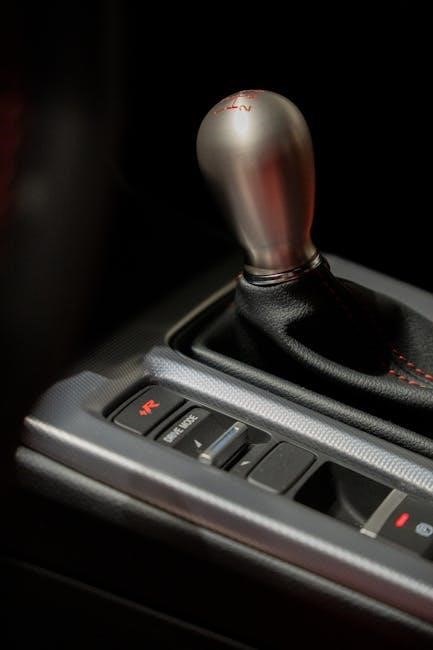
A transmission swap from manual to automatic becomes a viable consideration when facing extensive and costly repairs on an aging manual gearbox. If the repair estimate approaches or exceeds the cost of a complete automatic transmission swap – including parts and labor – it’s time to evaluate alternatives.
Furthermore, if you’re experiencing a significant shift in driving preferences, desiring the convenience of an automatic, a swap might be preferable to continuing with a failing manual. Consider the long-term maintenance costs; automatic repairs can be expensive, but a swap offers a fresh start with a potentially more reliable system.
Finding the Right Parts and Resources
Sourcing the correct components is crucial for a successful manual-to-automatic transmission swap. Reputable auto parts retailers, online marketplaces specializing in performance parts, and junkyards are excellent starting points. Prioritize finding a complete automatic transmission kit specifically designed for your vehicle model, if available.
Online forums dedicated to your car’s make and model can provide invaluable insights from individuals who have completed similar swaps. These communities often share part lists, troubleshooting tips, and recommendations for qualified mechanics. Don’t underestimate the value of detailed wiring diagrams and installation guides.
Legal and Safety Considerations
Before embarking on a transmission swap, research local regulations regarding vehicle modifications. Some jurisdictions require inspections to ensure the changes comply with safety standards and emissions requirements. Modifying a vehicle’s drivetrain can impact its safety systems, so professional installation is highly recommended.
Ensure all work is performed by qualified mechanics who understand the intricacies of both manual and automatic transmissions. Improper installation can lead to mechanical failure, potentially causing accidents. Verify that the modified vehicle meets all applicable safety standards before returning it to public roads. Prioritize safety throughout the entire process.
Impact on Vehicle Value
Converting a manual transmission vehicle to automatic generally decreases its resale value, particularly for enthusiast models where manual transmissions are highly sought after, like the Toyota GR Supra. While it might broaden the potential buyer pool, it alienates those specifically desiring a manual experience.
The cost of the conversion often exceeds the increase in value, making it a poor financial investment if resale is a concern. Potential buyers may question the quality of the conversion and its impact on the vehicle’s long-term reliability. Transparency about the swap is crucial; concealing it could lead to legal issues.

Alternatives to a Full Transmission Swap
Before committing to a complete manual-to-automatic transmission swap, explore less drastic alternatives. If the manual transmission is simply worn, a rebuild might be more cost-effective and preserve the vehicle’s original character and value. Another option is to sell the vehicle and purchase one already equipped with an automatic transmission.
For some, simply learning to enjoy the manual transmission is a viable “alternative.” While not a mechanical solution, it avoids the expense and complexity of a swap. Consider the long-term maintenance implications; automatic transmissions, while convenient, can be significantly more expensive to repair.
The Future of Manual and Automatic Transmissions
The automotive landscape is rapidly evolving, with both manual and automatic transmissions facing disruption. The rise of electric vehicles (EVs) introduces single-speed transmissions, simplifying drivetrain complexity. However, even within internal combustion engine (ICE) vehicles, automatic transmissions, particularly those with many gears, continue to dominate due to efficiency and convenience.
Self-driving features increasingly rely on automatic transmissions for seamless control. While manual transmissions retain a niche appeal for enthusiasts, their overall market share is expected to decline. Future innovations may blend the best of both worlds, offering automated manual transmissions with selectable modes, providing both efficiency and driver engagement.
Weighing the Pros and Cons of a Manual to Automatic Conversion
Ultimately, converting a manual transmission to automatic is a substantial undertaking with significant implications. The benefits include increased driving ease, especially in traffic, and potentially higher resale value for a broader audience. However, the costs – both financial and mechanical – are considerable, and potential complications like ECU reprogramming and floor modifications exist.
For those prioritizing convenience and modern features, the conversion can be worthwhile; But enthusiasts valuing driver engagement should carefully consider the loss of control. Thorough research, accurate cost assessment, and realistic expectations are crucial before embarking on this complex automotive modification.